- Dr. Serdar Özcan
- 0 Comments
- 282 Views
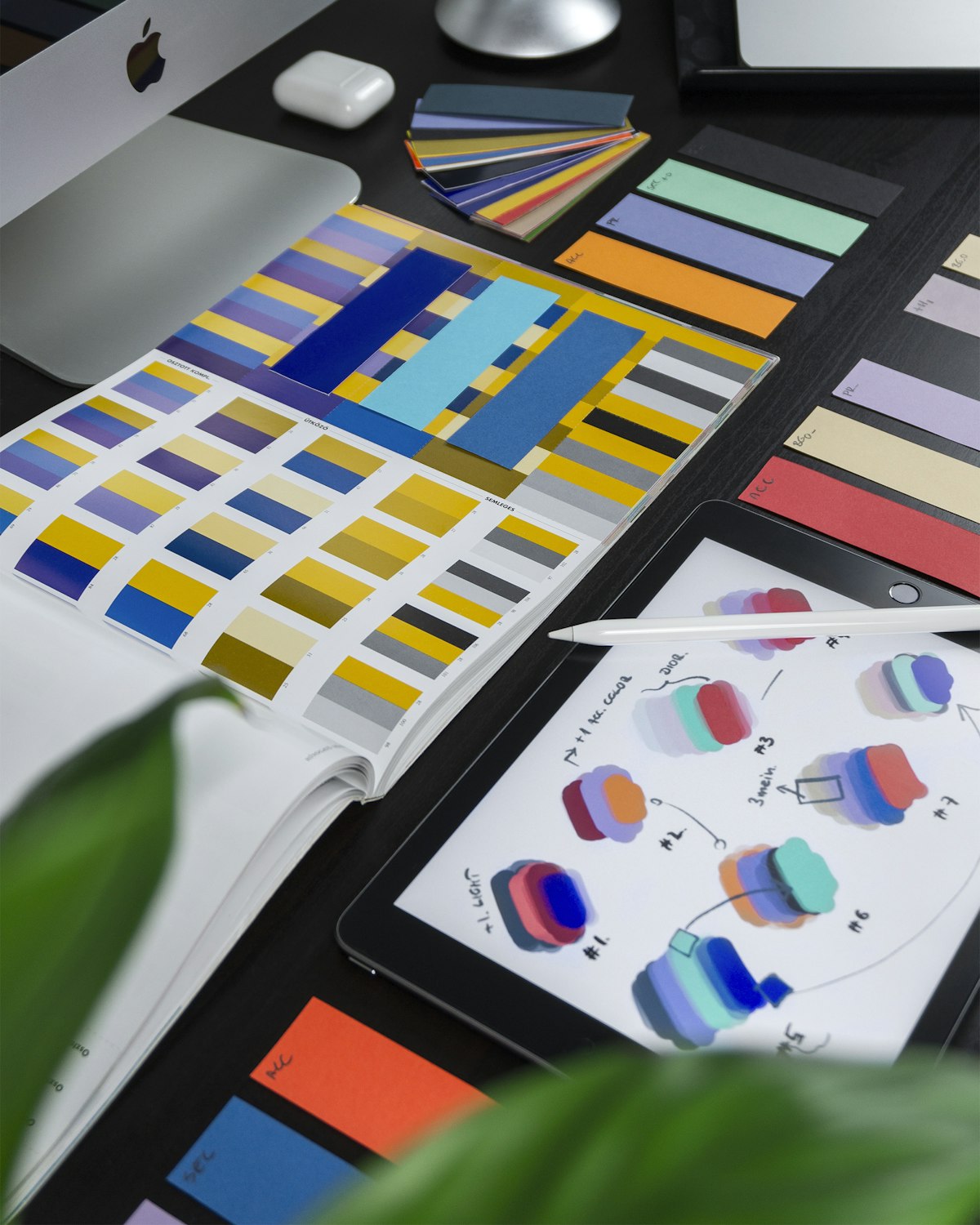
On February 26, 2026, Figma and OpenAI announced a partnership that will profoundly impact the design world. The integration between Figma's design platform and OpenAI's Codex coding tool eliminates the wall between designers and developers. With Codex reaching over 1 million weekly users, this integration makes the design-code cycle bidirectional and seamless.
1. How Does the Integration Work?
The Figma MCP Server (Model Context Protocol) connects Codex directly to Figma's design platform. Through this connection, Codex can capture information from Figma Design, Figma Make, and FigJam files and incorporate it into the development process.
The system works bidirectionally: users can turn UI from code into editable Figma designs, explore new ideas and iterations, and bring the changes back to code. This completely transforms the traditional "designer designs, developer codes" workflow.
2. What Changes for Designers and Developers?
The greatest impact of this integration is the elimination of friction between design and development processes. In the traditional workflow, a designer creates an interface, then a developer translates that design into code. This process involves translation losses, communication gaps, and iteration delays.
With the new integration, a designer can directly convert their Figma design into working code. A developer can turn UI components from their code into editable Figma designs and iterate visually. Both sides speaking a common "language" dramatically increases product development speed.

3. Multi-Vendor AI Strategy
An interesting detail: this announcement came just one week after Figma announced its Claude Code integration with Anthropic. Figma has thus become a platform pursuing a multi-vendor strategy rather than being dependent on a single AI provider. This approach gives users the flexibility to choose between different AI tools.
4. Growth by the Numbers
Codex's weekly user count has surpassed 1 million. Usage has increased more than 400 percent since the beginning of the year. These numbers demonstrate how rapidly demand for AI-powered code development tools is growing. The Figma integration is expected to accelerate this growth even further.
5. Looking Ahead
The Figma-OpenAI partnership is part of a broader trend. The boundaries between design tools, code editors, and AI platforms are rapidly blurring. In the near future, the distinction between "designer" and "developer" roles may diminish further. A world where everyone can both design and code through AI is no longer a dream — it's becoming reality.
TAO AI LAB Perspective
At TAO AI LAB, the Figma and OpenAI integration represents a concrete application of agentic workflowsin the design world. Different systems communicating seamlessly through AI forms the very essence of our autonomous business processes. vision. The ability of reasoning AI models to understand design decisions and convert them to code is powerful evidence that these technologies will transform creative industries as well.
How will the AI bridge between design and code transform product development processes? How will designers and developers be affected by this integration? Share your thoughts in the comments!
Sources:
- TechCrunch — Figma Partners with OpenAI for Codex Support
- OpenAI Blog — OpenAI Codex and Figma Launch Seamless Code-to-Design Experience
- The Decoder — Figma and OpenAI Connect Design and Code
- Dataconomy — Figma Integrates OpenAI Codex for Design-to-Code Workflow